
Once You Stop Forcing the Moment, There’s No Going Back
You stop forcing something the moment your body registers, for real, that pushing never once made it arrive sooner — it only made the wait heavier. This isn’t a call to go slack on what matters to you; it’s a shift from bracing against a pace that was never yours to set, into moving with it, correction after correction, the way a plane blade follows a grain instead of fighting it. The letting go was never really in the hand. It’s a decision underneath the hand — one that finally believes what the hand already suspected: the light changes on its own schedule, gripped or not.
Non-forcing isn’t giving up — it’s a documented teaching almost twenty-five centuries old, and it changes more than how stressed you feel while you wait.
- Why pushing has never once bought you a faster outcome
- The cost you’ve been paying without ever getting a receipt
- A concrete way to catch the grip before it costs you again
It isn’t a flaw in your character. It isn’t a habit you simply haven’t broken yet. It isn’t even about the red light, the kettle, or the inbox you keep checking. Every one of those is only the stage the real thing performs on.
What’s actually happening is a body that learned, somewhere far back, that pushing counts as doing something, and stillness reads as risk. Once you see that underneath, none of the small daily battles look quite the same again.
What Do You Do With the Twenty Seconds You Already Have?
Seeing the mechanism is one half of this. The other half is what you actually do the next time your knuckles go pale on something that isn’t moving. Not someday — the next time, today, in whatever ordinary spot it shows up.
Here’s a protocol you can run on the spot, built directly out of what the gripping actually does and doesn’t accomplish:
- Name the object your hand is gripping — the wheel, the counter edge, the phone you keep tapping awake.
- Ask, in that exact second, whether one more second of gripping has ever once made this specific thing arrive faster. Not in general — this time, this object.
- Let the hand go loose first, even while the urgency is still sitting in your chest. The body leads here; the belief underneath it catches up afterward.
- Notice what actually happens next, and when. It arrives on its own timing regardless — the only thing worth tracking is which one came first.
- Repeat it with a different object next time. A nervous system needs the same evidence more than once before it stops offering the push automatically.
This is not a mood you talk yourself into. It’s a small experiment, repeated, until the results outvote the habit.

The Hand Was Never the Problem
Here’s what people tend to get backward. The gripping hand isn’t the malfunction, and loosening it isn’t a fix you apply once and move on from — it was never that shallow. Nobody hands you this problem because you’re impatient by nature, or undisciplined, or bad at waiting. It has nothing to do with the red light, or the kettle, or the line at the register. Those are just where the pattern happens to surface first.
The actual mechanism sits underneath: a body that decided, long before you had a say in it, that pushing equals doing something and staying still equals danger. That decision doesn’t stay contained to traffic. It’s the same reflex behind wanting a hard conversation finished before it’s begun, wanting a decision made before the facts have finished arriving, wanting an apology delivered before the other person is done being hurt. None of those things move any faster because of the wanting. The only variable the wanting changes is how worn down you are by the time they finally do move.
Two Ways to Meet a Moment That Won’t Hurry
The modern answer to feeling stuck is almost always the same: do more, add more effort, optimize every variable you can reach. It’s an understandable instinct — effort has genuinely worked for plenty of things in your life. The trouble is that it only works on things effort can actually move, and a red light isn’t one of them.
The older answer, the one this whole teaching is built on, points somewhere else entirely. A judo student learns on day one that a fight isn’t won by the bigger shove — it’s won by redirecting the opponent’s own weight so it does the work for you. A swimmer caught in a current gets told something that sounds backward until it’s tried: don’t fight the pull head-on, angle along it instead, and it eventually lets go. A bamboo stalk bends flat in a storm that snaps the rigid tree standing next to it, simply because it never insisted on staying exactly where it was.
A carpenter’s plane shows the same thing on a piece of oak. Push the blade against the grain and the wood tears and splinters, fighting its own structure. Turn the blade to follow the grain, and the same wood peels away in one smooth ribbon — not because it got softer, but because the carpenter stopped arguing with which way it wanted to go.
The pages here can describe the plane and the grain. What they can’t do is let you hear the line-by-line pacing of the teaching that names this, or sit inside the exact quiet of the moment it lands — and that’s the piece the video below actually holds.
What Does the Push Actually Cost You?
You already know part of this cost, even if nobody ever itemized it for you. Every minute spent willing a light to change, the traffic didn’t move any faster — it only cost you the minute. Every reply refreshed before it could possibly have arrived cost you the waiting twice over. None of it shows up on a receipt. It just quietly subtracts itself from a life that was never especially long to begin with.
| What the mind does | What the teaching proposes instead |
|---|---|
| Pushes harder against what won’t move | Follows the grain of what’s already moving |
| Refreshes, checks, drums fingers to speed things along | Lets the wait run on its own clock |
| Rehearses the hard conversation before it happens | Meets it once it actually arrives |
| Treats stillness as risk, effort as safety | Tests that belief against what effort actually produced |
| Grips tighter the further off the outcome feels | Loosens the grip while keeping the hand ready |
Where This Teaching Comes From
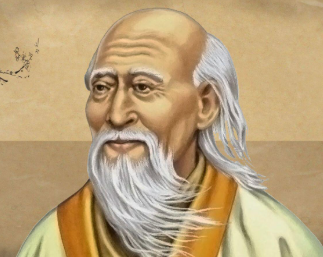
This idea comes from Lao Tzu, the sage traditionally credited with writing the Tao Te Ching roughly twenty-five centuries ago in China — a short text you can read in full translation at Sacred Texts. The concept at the center of it, wu wei, is usually translated as “non-action,” which is misleading on its own — it doesn’t describe stillness so much as a way of moving that doesn’t fight the shape of what’s already happening. It’s the same territory covered from a different angle in an earlier piece here on why the mind keeps rehearsing futures it will never actually live, where the forcing shows up not as a gripped wheel but as a mind stuck replaying scenes that haven’t happened yet.
Lao Tzu never gave the idea a slogan. He circled it from different angles across the text — water, an uncarved block, a river finding its own path — the way you’d describe a color to someone who had never seen it, by pointing at everything nearby that shared it. That pattern of the mind reaching ahead of the moment it’s actually in is the same pattern this teaching was written to interrupt.
Why the Grip Doesn’t Come Back the Same Way
None of this means the brake pedal becomes optional. You still press it. This isn’t permission to take your hands off the wheel at speed — it’s about what you do with the twenty seconds of stopped traffic you were already spending on nothing.
Once your nervous system tests this even one time honestly — once it watches the light change on its own schedule regardless of the grip — something shifts that doesn’t fully reset. You can still choose to force something tomorrow. Plenty of days, you probably will. But you’ll know, each time, that you’re choosing it rather than defaulting to it without noticing. That knowing is the part that doesn’t leave.

Frequently Asked Questions
How do you stop forcing things without giving up on them?
You stop the moment your nervous system registers that pushing never made the outcome arrive sooner — then you shift from bracing against the pace of things to moving with it, without dropping what actually matters to you.
Is wu wei the same as giving up or being passive?
No. Wu wei describes a way of acting that doesn’t fight the shape of what’s already happening. It’s a quieter, more precise kind of doing — not the absence of effort.
What is wu wei in simple terms?
Wu wei is a term from the Tao Te Ching meaning non-forcing action — moving with the natural course of a situation instead of straining against it.
How long does it take to actually stop forcing things?
There’s no fixed timeline. It shifts once your body has enough direct evidence that pushing didn’t speed up one specific outcome — sometimes one honest instance is enough, sometimes it takes several.
The hand rests on the wheel now — loose, ready, no longer arguing with the light. It changes when it changes. The hand already knows.